by Gas Safe Steve | Safety and emergency facts, All Posts
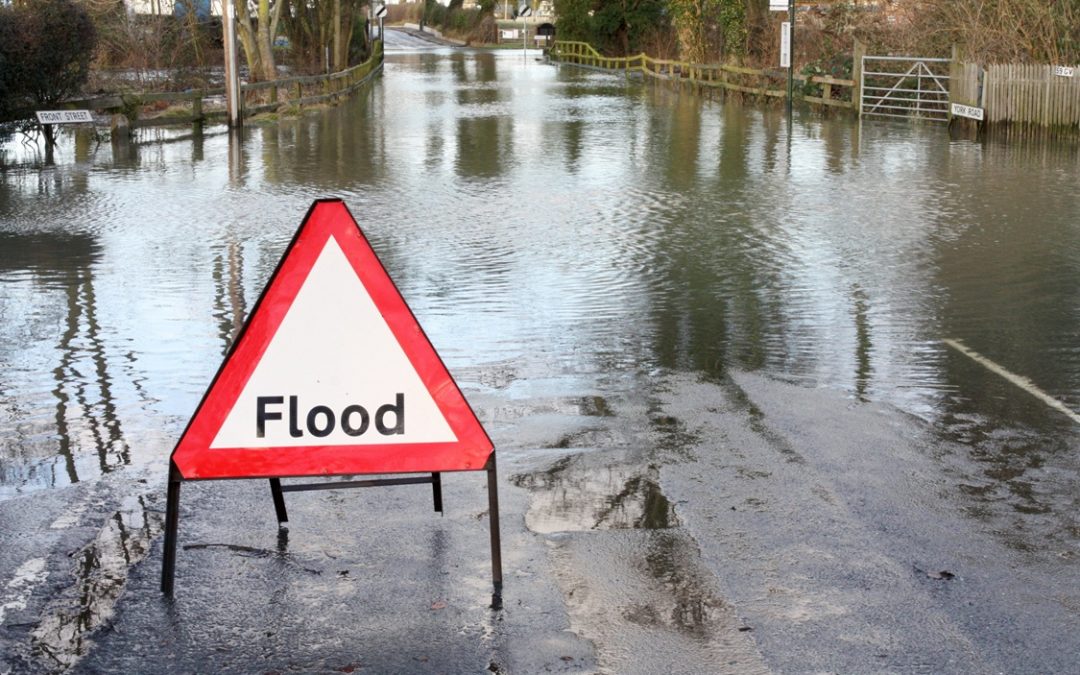
Gas safety if you’re at risk of a flood
Is your home at risk of flooding? If so you’ll want to take note of this advice
We’ve seen increasingly wild, wet and unpredictable weather in recent years, so if your home’s in an area that is deemed at risk from flooding, it’s useful to know how to avoid damage to your gas appliances should such an emergency arise. Read More

by Gas Safe Steve | All Posts, Safety and emergency facts
What is CO poisoning?
Unsafe gas appliances can produce a highly poisonous gas called carbon monoxide (CO). It can cause death as well as serious long term health problems such as brain damage.
CO is produced by the incomplete burning of natural gas or liquefied petroleum gas (LPG). This happens when a gas appliance has been incorrectly fitted, badly repaired or poorly maintained. It can also occur if flues, chimneys or vents are blocked.
Oil and solid fuels such as coal, wood, petrol and oil can also produce carbon monoxide.
CO poisoning occurs when you breathe in the gas and it replaces oxygen in your bloodstream. Without oxygen, your body tissue and cells die. Even small amounts of the gas can cause CO poisoning, and long term effects can include paralysis and brain damage. Read More
by Gas Safe Steve | All Posts, Safety and emergency facts
Smell gas or suspect carbon monoxide ?
Call the National Grid’s Emergency number on 0800 111 999 (FREE 24 hour emergency line)
Open doors and windows to ventilate the property.
Avoid turning on/off electrical switches.
Do not smoke.
Extinguish all naked flames and do not strike matches which could cause ignition.
Avoid electrical security entry phones/locks. Read More
